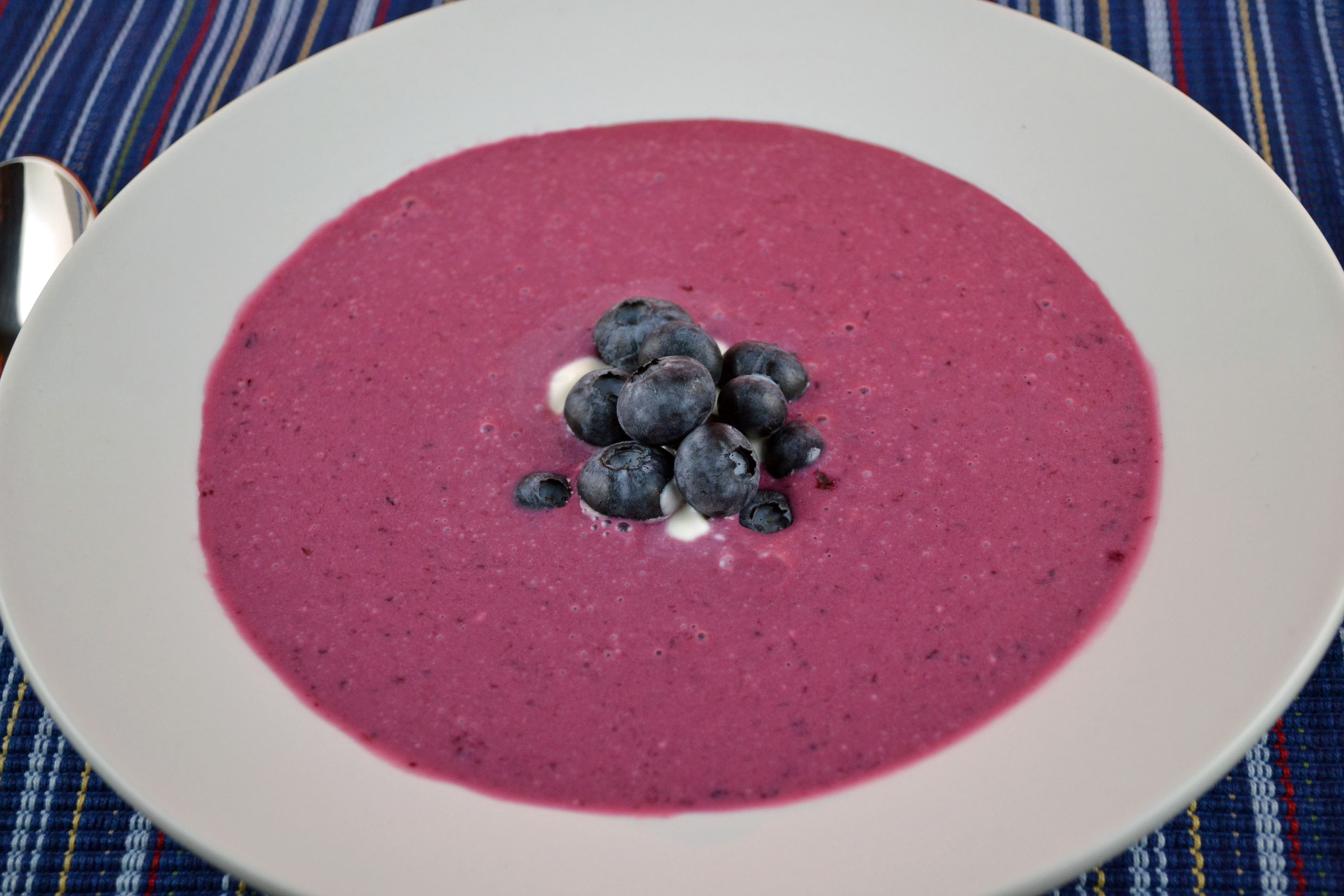
Chilled Blueberry Soup

The idea of blueberry soup may sound a little strange. Due to their liquefied savory nature, cold soups often seem like somewhat of a disappointment. If you think about it, other than possibly tomato juice or V8, how often do we consume liquids that are both cold AND savory? With the popularity of cleanses and “green” juices as meal replacements, this may change in the near future (liquid pizza anyone?). However, I believe that this is currently why cold soup is often considered a slightly sad underrated sister to it’s hot counterpart.

I’m not actually a fan of cold soups either, though they are starting to grow on me. Blueberries, however, are a favorite of mine. I eat them obsessively regularly. So when I saw this recipe for blueberry soup in “The Art of Good Cooking,” I was compelled to try it. Apparently, blueberry soups originated in Scandinavia and Eastern Europe. Sweden, Norway, Iceland, Hungary, and Poland all have similar versions. This recipe seems closest to the Icelandic or Polish versions though many of them use some kind of starch, and this one does not (nor does it really need it).

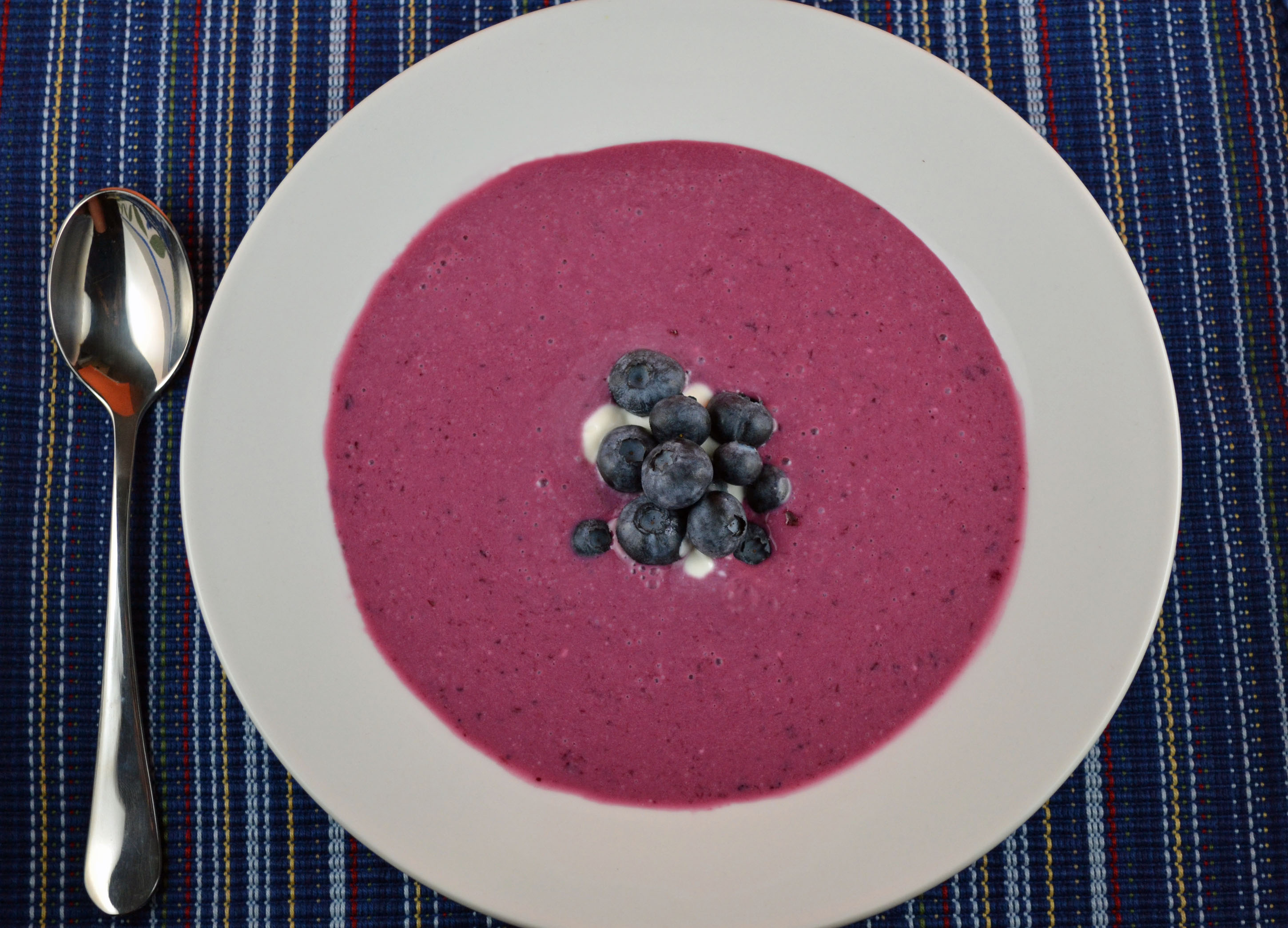
My grandmother wrote that this chilled soup is “not a sweet fruit soup, but more like a cold beet borscht.” I actually think it’s pretty sweet, yet tasty. The sour cream (yogurt could be substituted for a healthier version) cuts through the sweetness and combines with the lemon juice to give it a creamy tang. You may be surprised how much you enjoy it. I even made Popsicles out of the leftovers, which we’ve since started calling “soupsicles” – I know, a little strange, but surprisingly refreshing. And how many soups do you know of are so multipurpose-fully delicious?

Ingredients:

2 cups water
1 pint blueberries
1/2 cup sugar
1 lemon, juiced
1 cinnamon stick
1 cup sour cream or plain yogurt

Combine water, blueberries, sugar, lemon juice, and cinnamon stick in a medium sauce pan. Bring to a boil then lower heat and simmer for 15 minutes. Remove cinnamon stick. Transfer soup to a blender (or blend with a hand blender) and puree until smooth. Whisk in sour cream. Chill and serve garnished with sour cream and blueberries.

Serves 6.

Adapted from “The Art of Good Cooking.”
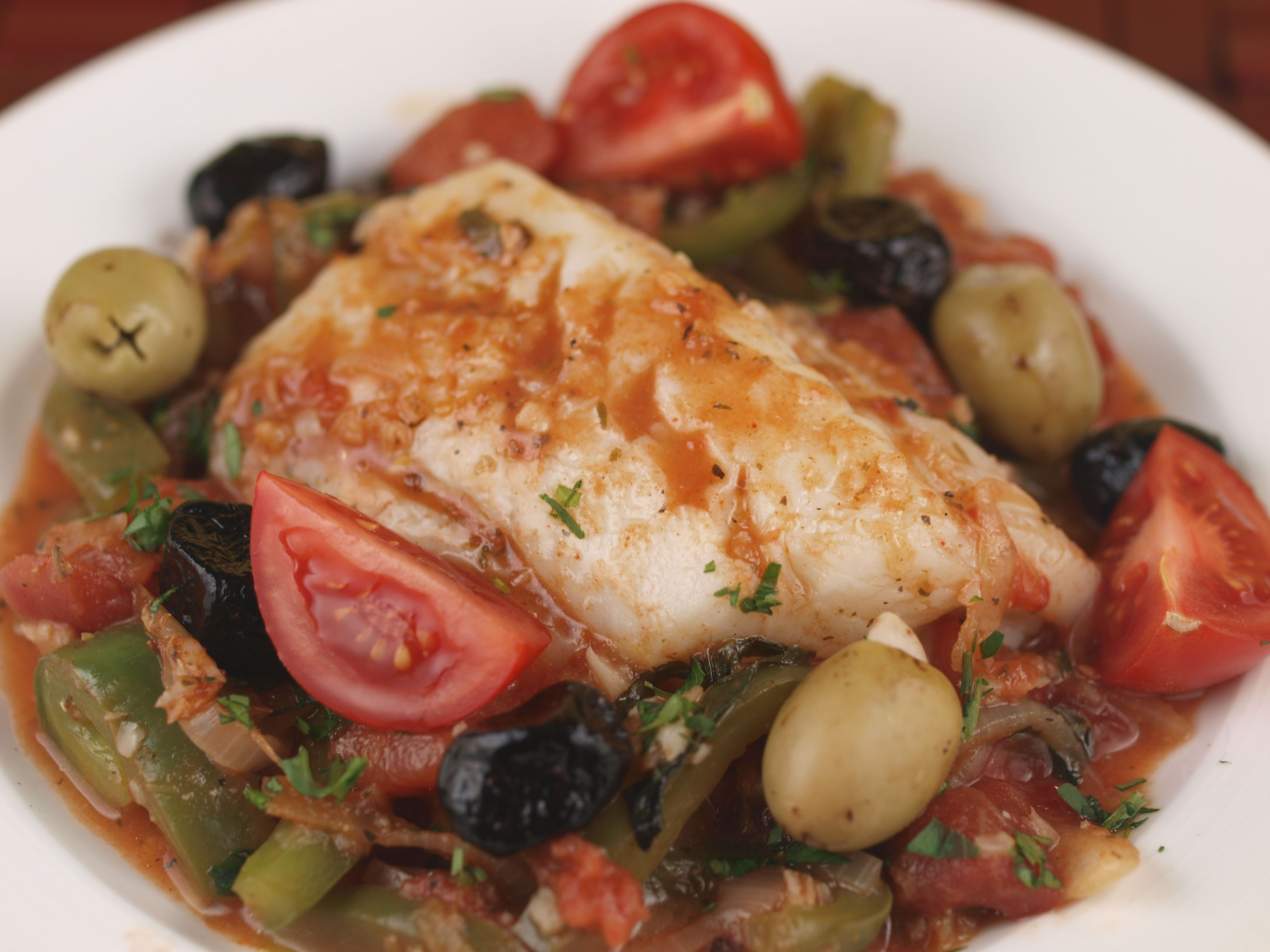
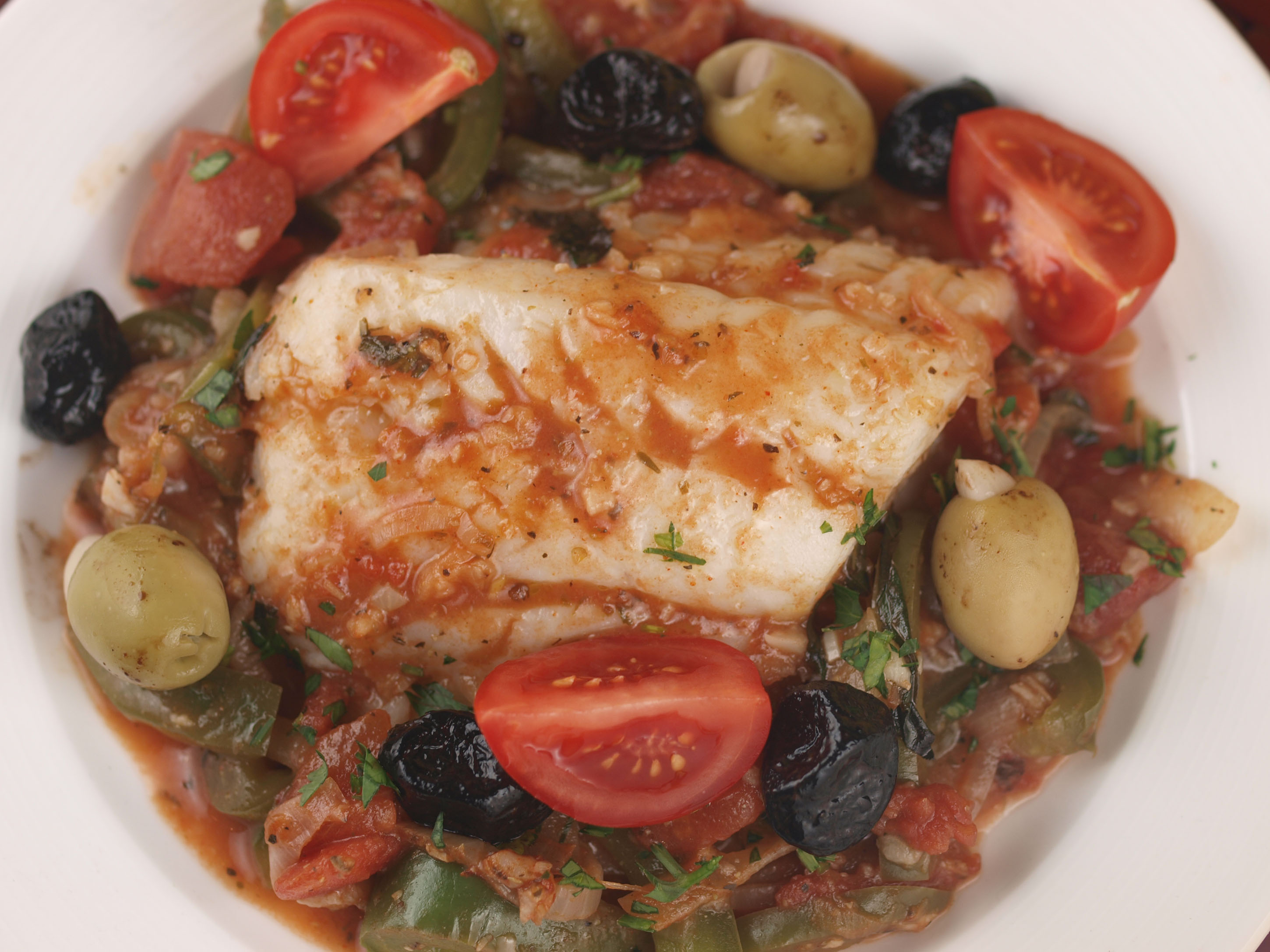
Red Snapper or Cod Veracruzana

This is one of many, quick fish dishes from “The Art of Good Cooking.” Fish is one of the most interchangeable proteins. For example, although cod or snapper are the recommended fish for this dish and they are commonly sold, you could use mackerel, bass, or even tilapia (very cheap but bland and a waste of time in my opinion). Traditionally made with Snapper, this dish originated in Mexico in the Veracruz state and is probably the most famous dish from the area. The combination of well known Mexican spices like cumin and chili powder with garlic, olives, and olive oil – ingredients that were supposedly brought to Mexico by the Spaniards – give this dish it’s unique spicy international taste and flavor.

Ingredients:

3 lbs filleted red snapper or thick cod steak
1/4 cup olive oil
3 large green peppers, seeded and sliced
3 large onions, sliced
12 garlic cloves, minced
1 teaspoon chili powder
1 teaspoon dried basil (or 1/4 cup fresh, chopped/chiffonade)
1 teaspoon dried oregano
1 large bay leaf
1 teaspoon cumin
1 cup canned tomatoes, drained
1/2 cup chicken or fish stock
cayenne pepper or hot sauce to taste
24 mixed olives
1 tablespoon chopped cilantro

Dry fish fillets with paper towels. Saute fish in a little olive oil very briefly, on both sides, until it is lightly browned. Arrange fish in a broad baking dish.

In the same pan, saute the green peppers, onions and garlic in remaining olive oil. When vegetables are just soft, stir in chili powder, basil, oregano, bay leaf, and cumin.

Place tomatoes in a small saucepan, and cook over low heat until they lose their shape and form a sauce. Add fish liquid to tomato sauce, then combine sauce with vegetable mixture. Season to taste with salt, pepper, sugar, and cayenne or hot sauce. Spoon this mixture over and around fish.. Place in a 400 degree oven for about 15-20 minutes or just until cooked through.

Sprinkle olives, fresh tomato slices, and cilantro over dish. Serve at once.

Serves 6.

Adapted from “The Art of Good Cooking” by Paula Peck.

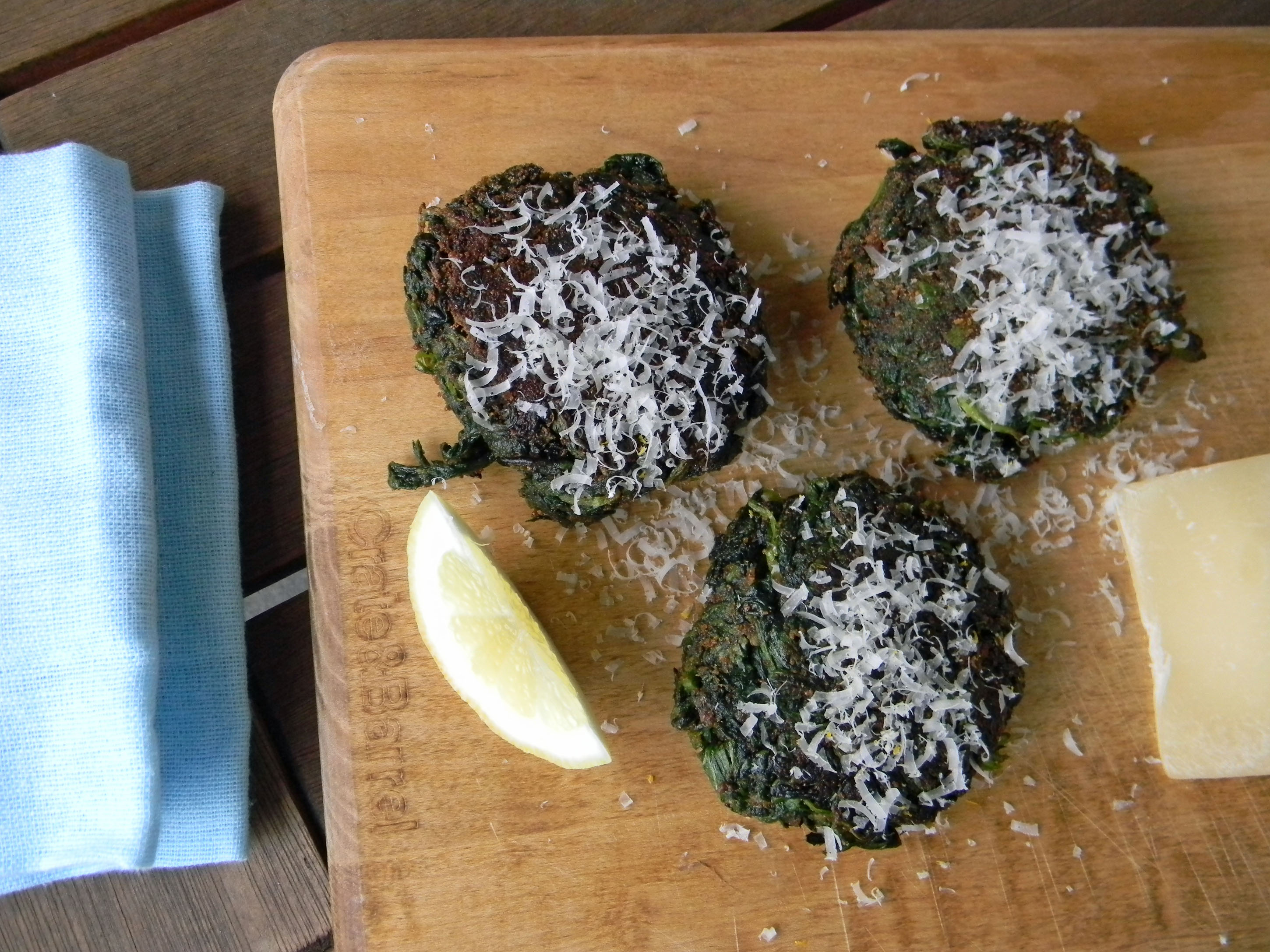
Surprise Spinach Pancakes

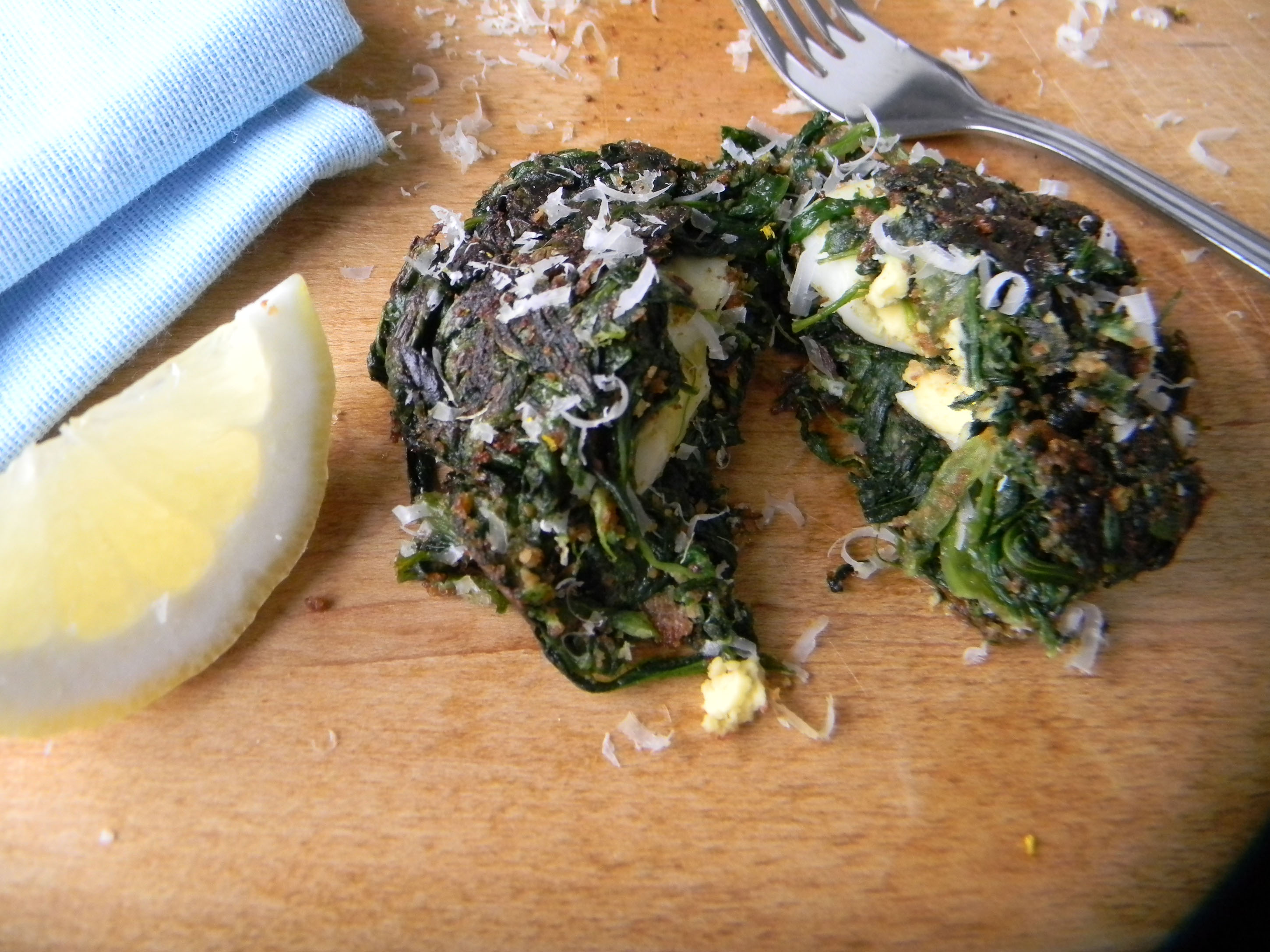
These pancakes have a secret. Hiding in the center, just waiting to be discovered and enjoyed. It’s what makes them unique even though the original recipe title from “The Art of Good Cooking” gives no indication that this is anything but your average spinach pancake.

Normally, spinach pancakes are put in the category of zucchini cakes or potato pancakes (like latkes) from traditional eastern European origins. Often considered somewhat “Jewish” though the vegetable variations (i.e. zucchini and spinach) have become more mainstream in recent years with the popularity of frozen meals. For example, Dr. Praegers, a popular line of all natural frozen foods, makes mini spinach patties in different shapes for kids.

However, the secret that makes these different from the rest – a slice of hard boiled egg in the center- is pleasantly surprising yet practical. The hard boiled egg not only adds contrast, but provides a much needed protein boost to this light lunch or afternoon snack. Add a little shredded Parmesan (I’m officially guilty of adding Parm wherever and whenever possible…what? It’s not like salt for you?), a squeeze of lemon, and that somewhat boring spinach pancake just got a lot more interesting.

Note: Need spice? Don’t forget the hot sauce!

Ingredients:

2 packages frozen chopped spinach, thawed, and drained
1 raw egg
1/4 cup dry bread crumbs
salt and coarsely ground pepper
1/2 teaspoon nutmeg
3/4 cup butter
4 hard boiled eggs, sliced
shredded parmesan cheese (optional)
lemon wedges

Mix cooked spinach with raw egg, salt and pepper, nutmeg, and 1/4 cup butter (melted). If necessary, add more bread crumbs so the mixture can be handled easily.

Wet your hands with cold water. Take about 2 tablespoons of the mixture, shape into a plump pancake, enclosing a slice of hard cooked egg in the center.

To serve, melt remaining butter in a large skillet. Saute the spinach pancakes gently on both sides until they are heated through. Remove and top with parmesan cheese. Serve with lemon wedges.

Note: pancakes will be extremely fragile and fall apart somewhat easily. To avoid this, a traditional breading method may be used (flour the pancake, dip in beaten egg, and coat in bread crumbs).

Serves 6

Adapted from “The Art of Good Cooking.”
 

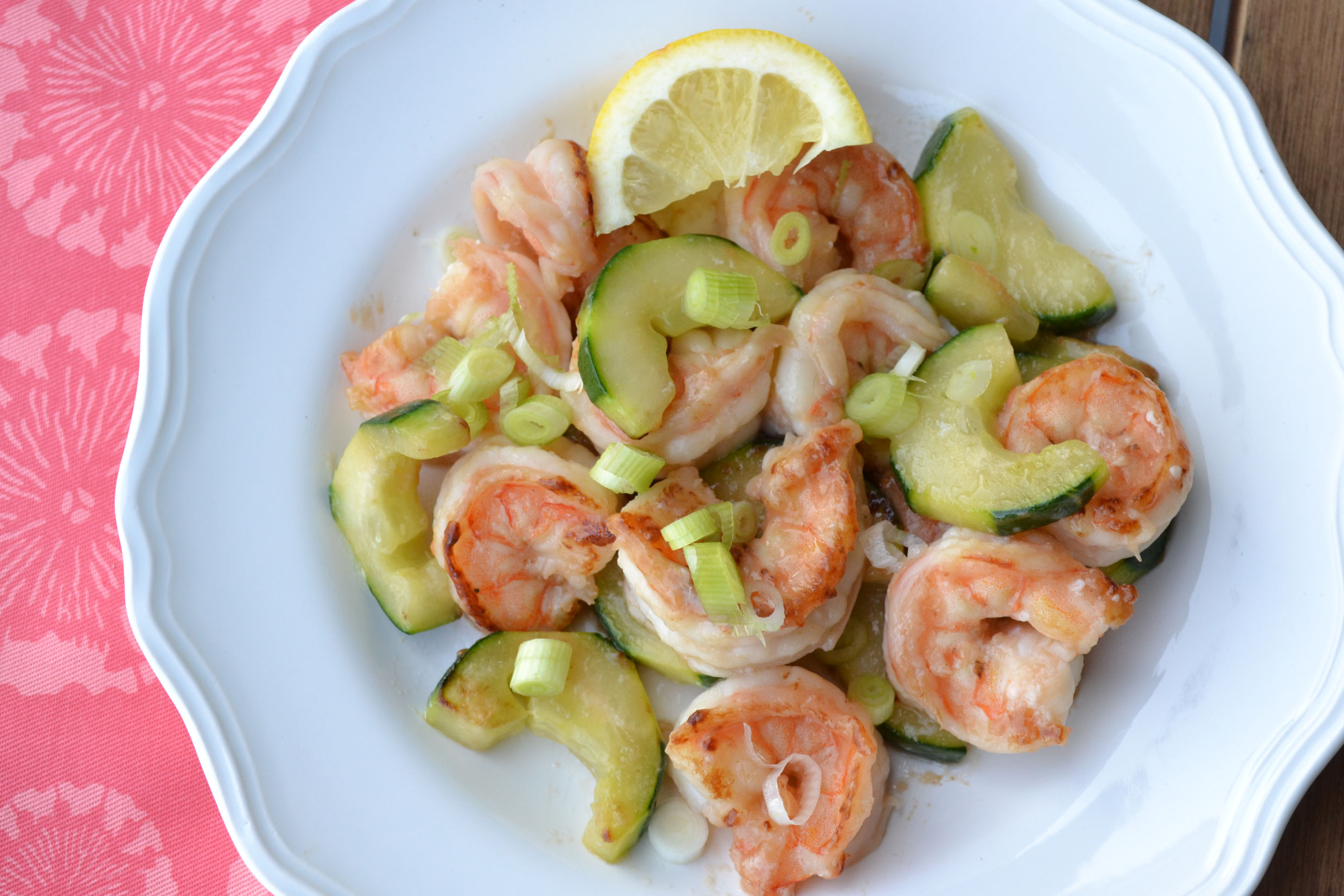
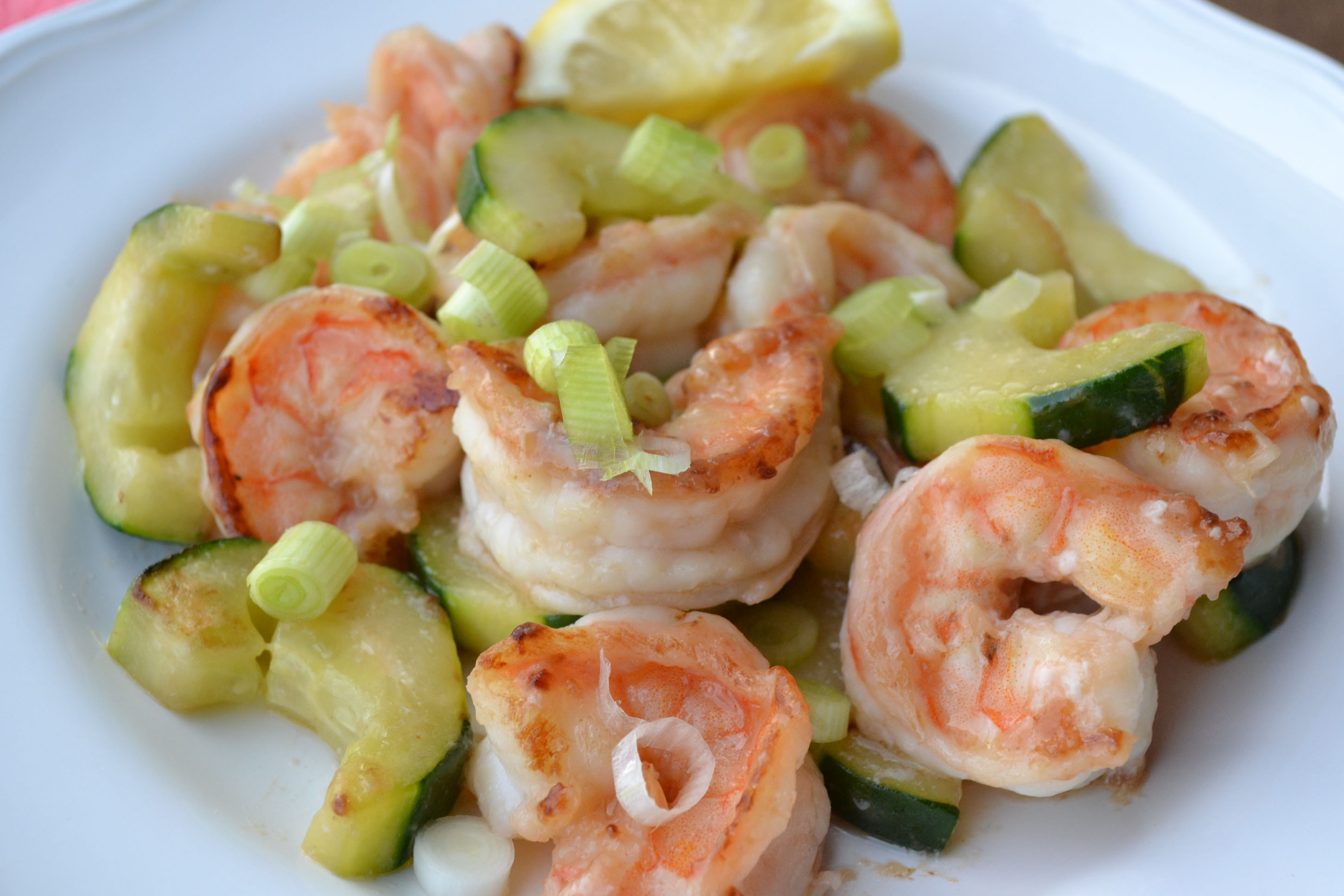
Quick Asian Style Shrimp Saute

Shrimp is always a tasty treat in the summertime. Put it together with refreshing cucumber and you have a light, very quick dish. I guarantee you can make this dish at least twice in the time it takes for that Chinese delivery guy to show up. But this will be much fresher.

Chinese food has actually been in America since the late 1800’s and it made it’s way to the east coast early in the 20th century. When “The Art of Good Cooking” was written in the 1960’s, Polynesian themed restaurants were gaining popularity. Surprisingly, American Chinese food is actually a strange combination of Cantonese, Polynesian, and American cuisine. This is reflected in the sweeter ingredients like sugar and pineapple, as well as the infamous MSG that was practically considered a spice in the 1960’s. This dish is no exception and was titled “Shrimp with Cucumber, Chinese Style.” It of course includes cornstarch, sugar, and sherry (optional) which are all definitely not Authentic Chinese ingredients, but more so American Chinese ingredients (which also means kids will love it!).

Ingredients:

4 tablespoons sherry (optional)
2 tablespoons soy sauce
½ teaspoon sugar
2 tablespoons cornstarch
2 lbs shelled, cleaned raw shrimp
2 large cucumbers
2 tablespoons vegetable oil

Combine sherry (if using), soy sauce, sugar, and cornstarch. Marinate shrimp in this mixture. Peel cucumbers and cut in half; scoop out seeds with a teaspoon. Cut into ¼ inch slices. Add to shrimp mixture.

Just before serving, drain shrimp and cucumbers from marinade but reserve marinade. In a heavy skillet, heat vegetable oil until it is hot. Add shrimp and cucumbers. Saute over high heat stirring constantly, for 3 or 4 minutes, or until all shrimp are pink. Add marinade. As soon as sauce thickens, serve with fluffy steamed rice. Garnish with chopped scallions.

Serves 5-6.

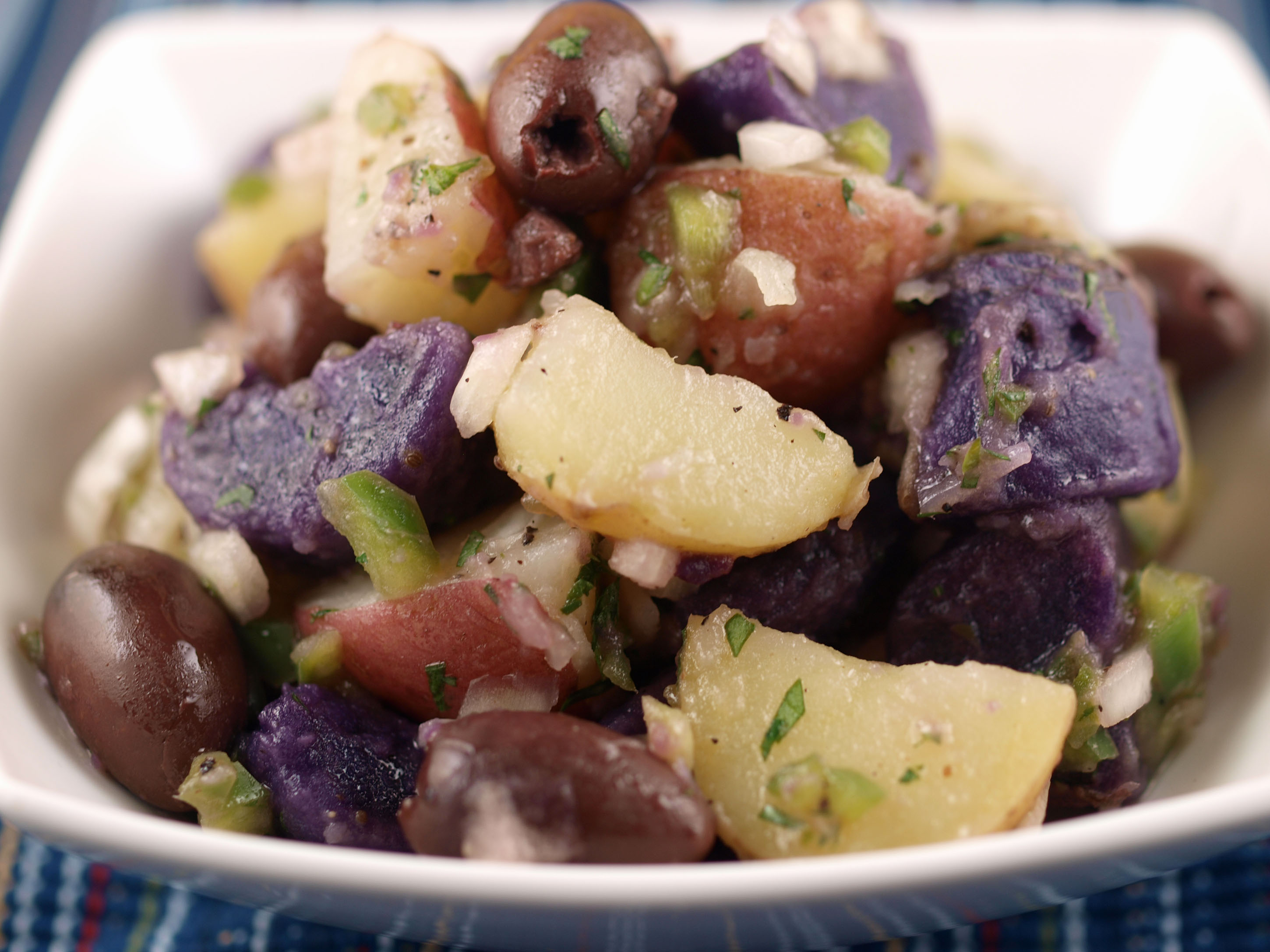
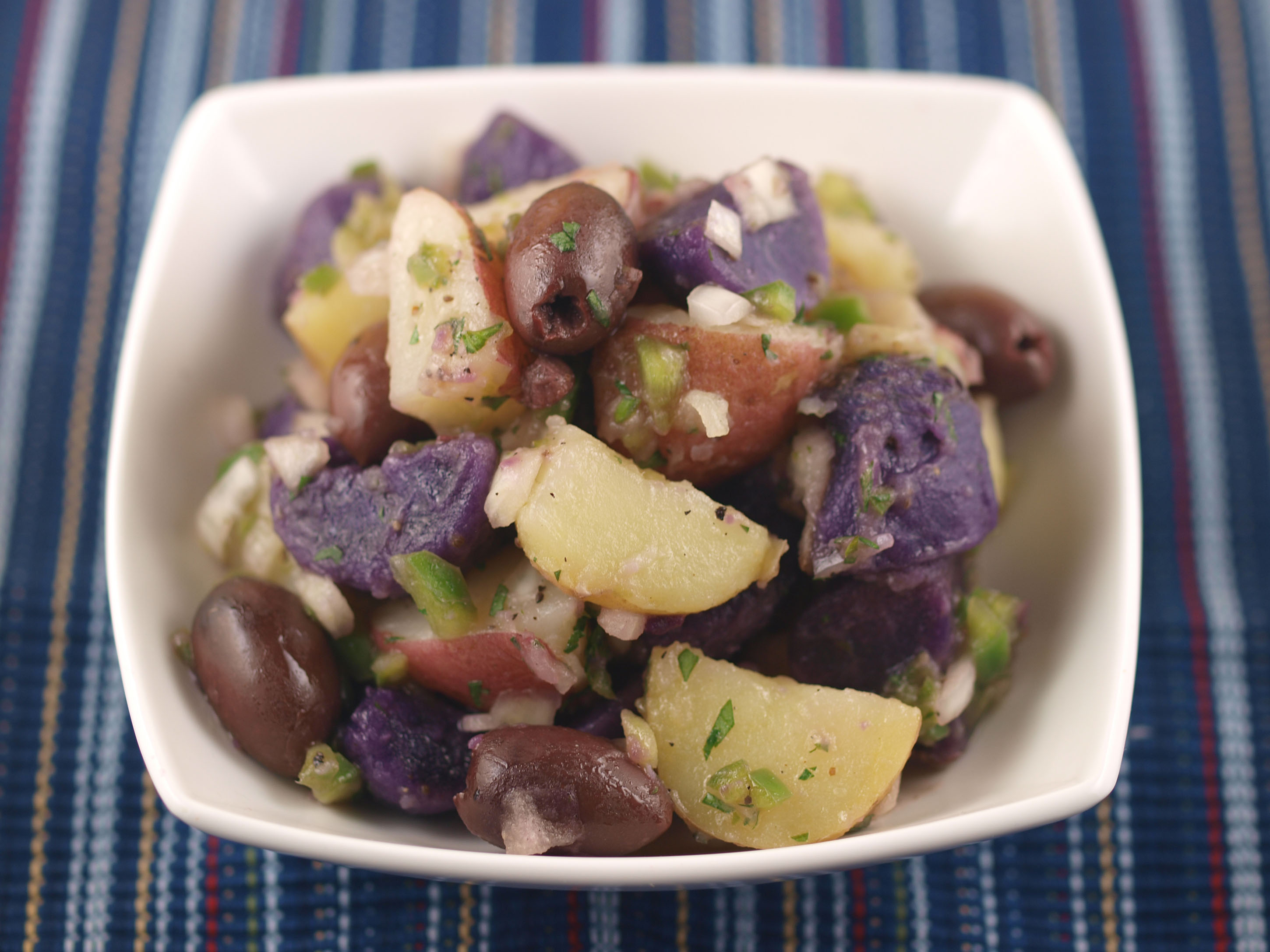
Tricolor Potato Salad

In the interest of the hot summer days ahead, I’m continuing my testing of easy classic salads. The simplicity of some of the salad recipes in “The Art of Good Cooking” is refreshing. The base of this potato salad recipe, for example, has just five ingredients (not including the dressing). To change it up a little, I added kalamata olives and used tricolor baby potatoes. You’ll find these bite size potatoes sold in mesh bags which usually include purple “Peruvian” potatoes (who’s skin, I found, falls off easily after cooking), red potatoes, and white potatoes- similar to fingerlings. You could, of course, use all one type of potato, but what’s the fun in that?

Potato salad has somewhat of a lengthy history that’s intertwined with the long and overwhelming history of the potato, of course. As a basic salad that includes potatoes and some kind of dressing, many different countries (mostly European) have their own versions. Though I haven’t been able to find any official documentation, it seems German potato salad was one of the first (or the first) potato salads to make it to the US. Interestingly, my grandmother mentions in her notes for this recipe that German potato salad normally contains mayo, but that this vinaigrette version was preferred by her family. I always thought the opposite: that German potato salad never had mayo and always had some type of vinaigrette. After a little research, it appears that different parts of Germany have different “traditional” German potato salads. Some are creamier and often contain mayo, while others do not.

I included two sets of instructions below: the original and modified. Since I often don’t want the extra heat from the oven in the summertime (and prefer a quicker version), I like to simply cook the potatoes and dress them. The original recipe requires cooking and then baking them. Both methods are delicious. Since potatoes hold up well to seasoning and salt, kalamata olives are a welcome contrast in both texture and flavor. Pack this one away for your next party in the park and happy picnicking.

Ingredients

2 lbs tricolor baby creamer potatoes
1/2 cup chicken stock
1/4 cup olive oil (2/3 cups for the baking version)
4 tablespoons red wine vinegar
salt and pepper
1 onion, minced
1 small green pepper, minced
1/3 cup parsley
3/4 cup pitted kalamata olives

Modified Quick Cooking Version
Wash potatoes; place in a deep pot. Cover potatoes with water and stock. Bring to a boil, then lower heat and simmer until potatoes are tender when pierced with a fork. Drain and cool until they can be easily handled. Peel the purple potatoes. Cut all potatoes in quarters.

Whisk together oil and vinegar until emulsified. Add vinaigrette to warm potatoes and refrigerate until cold.

Add olives, minced onion, green pepper, and chopped parsley.

Original Version
Wash potatoes; place in a deep pot. Cover potatoes with water and bring to a boil. Lower heat and simmer until potatoes are tender when pierced with a fork. Drain, cool, and refrigerate until they are cold. Peel the purple potatoes. Slice all potatoes and place in an oven-proof dish.

Add chicken stock, olive oil and vinegar, and season with salt and pepper. Place in a 350 degree oven for 1/2 hour, or until the potatoes are hot and liquid is simmering. Remove potatoes from oven and allow them to stand until lukewarm.

Add olives, minced onion, green pepper, and chopped parsley. Chill and serve.

Serves 6

Adapted from “The Art of Good Cooking” by Paula Peck.

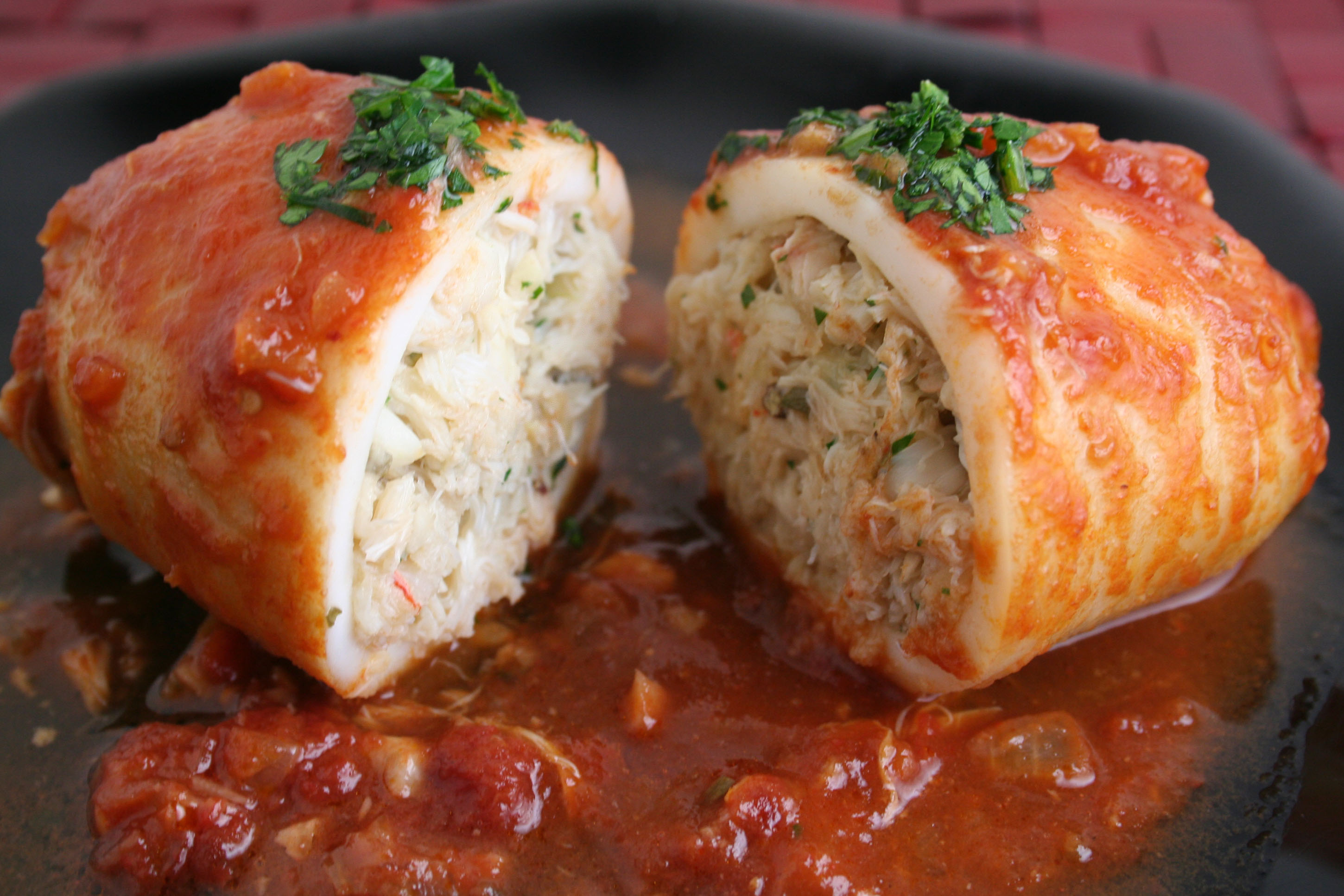
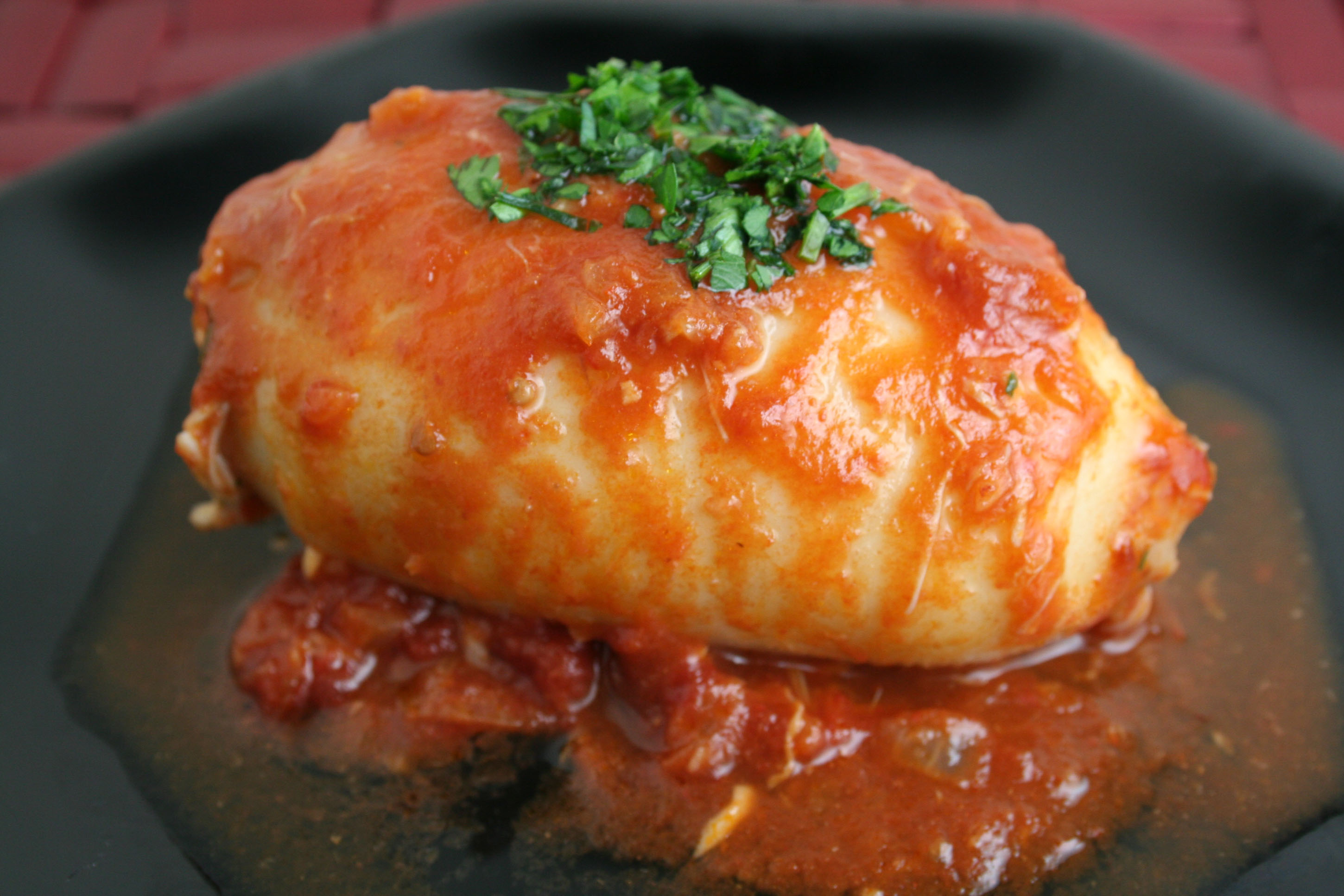
Stuffed Squid

I know what your thinking about this photo. What are those awkward tubular things with pale centers speckled with green. Are they giant croquettes? No…it’s a seafood delight: whole squid stuffed with a crab shrimp combination smothered in a tomato wine sauce. If you’re a seafood lover than this dish is for you.

I made very few changes to this Italian based dish from “The Art of Good Cooking.” Primarily, I just eliminated the beef gravy because it’s often too time consuming to make and using a canned gravy with fresh seafood seems like a waste. As with all seafood, the two most important elements for success are: 1. To use the freshest seafood 2. Not to over cook any of it, especially the squid. If you manage these two tasks, you’ll end up with a soft buttery mix of lump crab meat and tender shrimp surrounded by light fresh squid with just the slightest bite. Save this one for a special occasion.
Ingredients:

6 medium-size squid
1 onion, chopped
6 cloves garlic, minced
1/4 cup melted butter
1/2 cup chopped parsley
1 teaspoon tarragon
1 1/2 cups finely chopped cooked shrimp
1 1/2 cups finely chopped cooked crabmeat
salt and pepper
1/2 cup scallions
1 cup tomato puree
1/2 cup red wine
Saute chopped onion and half of the minced garlic in half melted butter. When vegetables are soft, add chopped parsley, tarragon, shrimp, and crabmeat. Toss well together. Season well with salt and pepper.

Stuff this filling firmly into the cleaned squid tubes. Heat remaining butter in saucepan. Add chopped scallions and remaining garlic. Saute till tender. Add tomato puree and wine. Bring to a boil and simmer for 5 minutes. Lower heat. Add stuffed squid and simmer until squid are tender, about  20-30 minutes. Garnish with chopped parsley.

Serves 6.

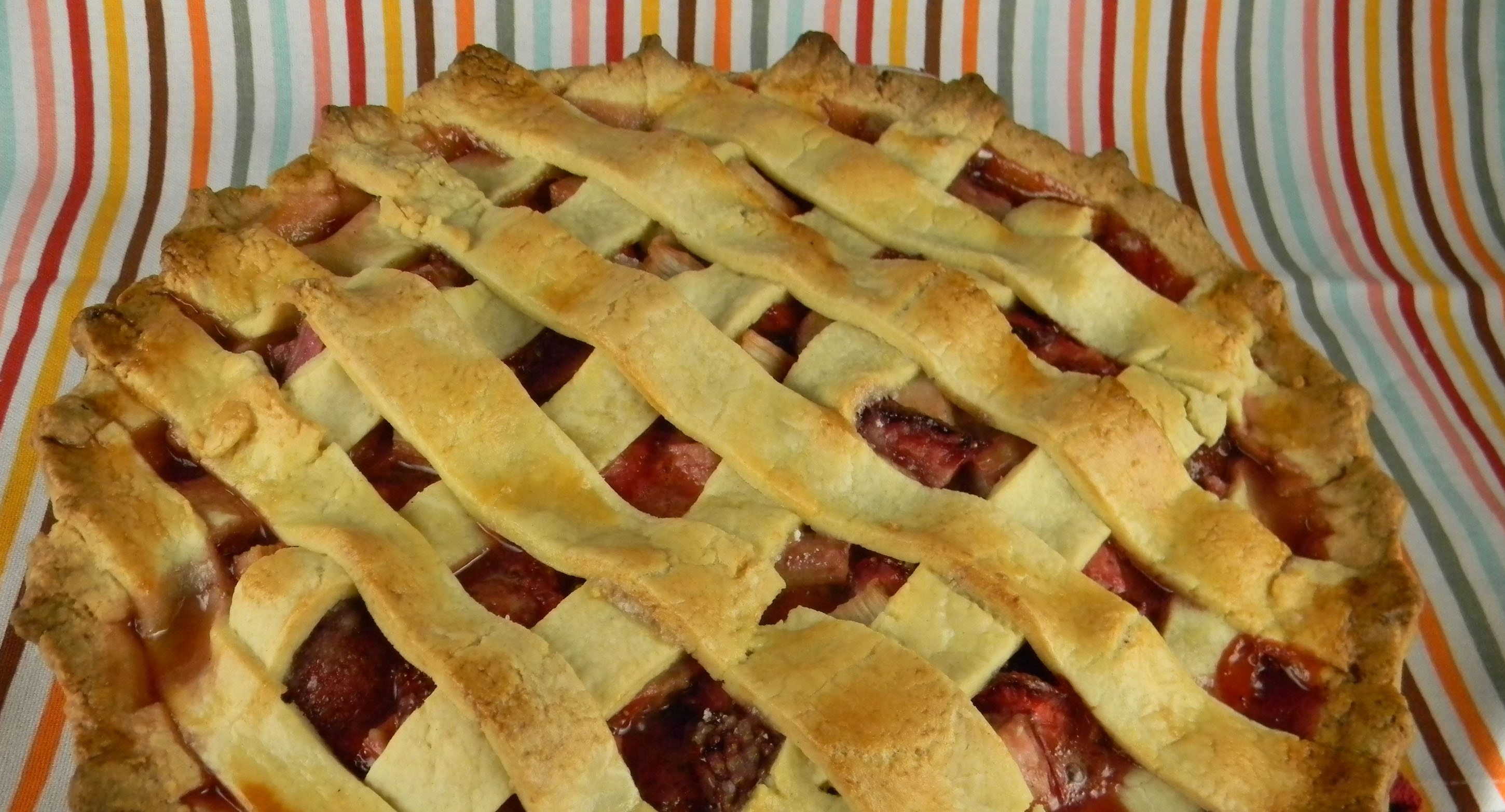
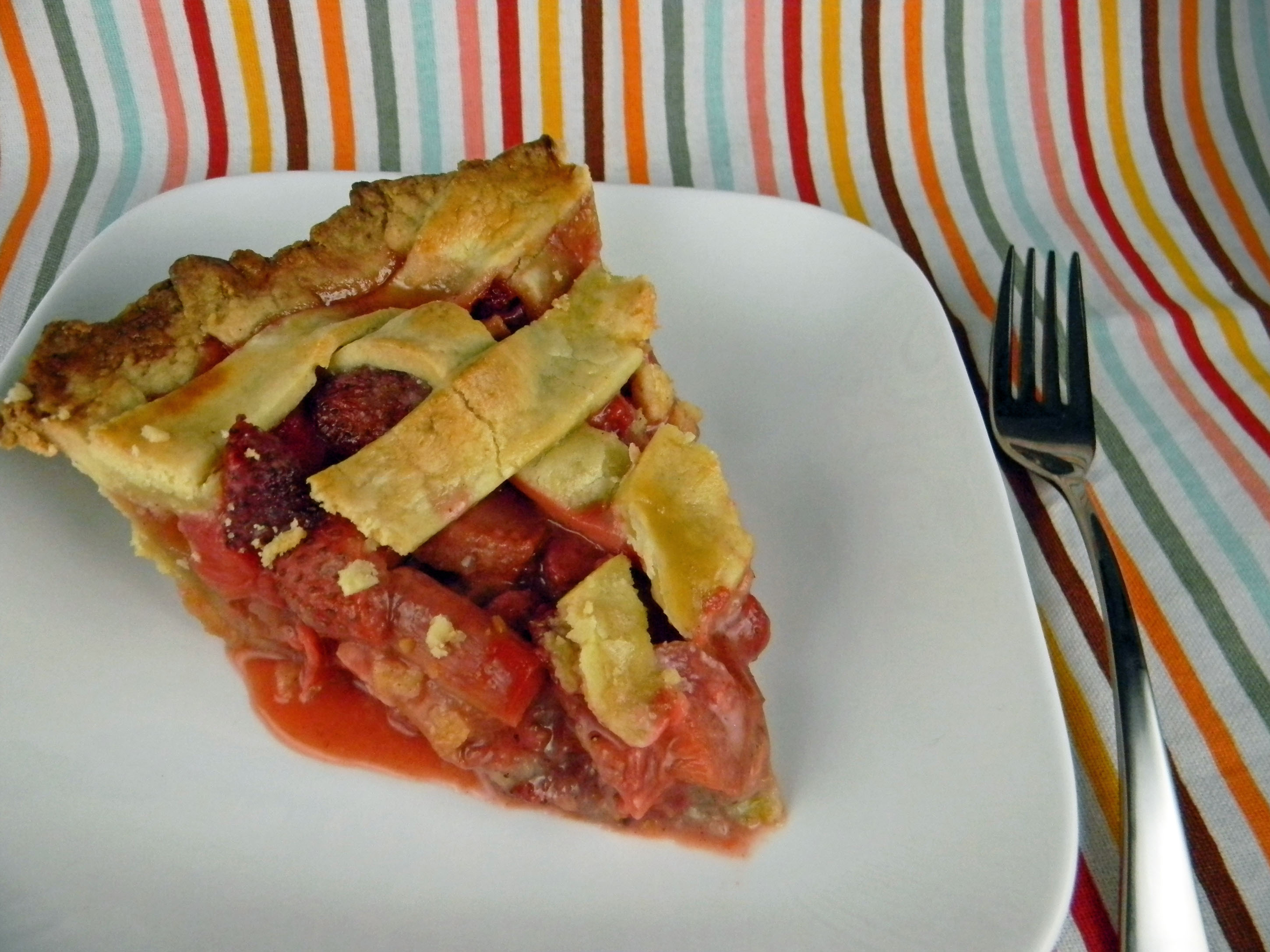
Strawberry Rhubarb Pie

Similar to strawberries or asparagus, rhubarb has always been a common spring staple for me. Growing up, we had a rhubarb plant amongst a strip of overgrown bright orange flowers (daylilies?) along our driveway. Though its size changed over the years, it never failed to produce. I remember checking the stalks to see if they were long or thick enough to use, and at least once or twice a year my mother would make strawberry rhubarb cobbler, or sort of a cross between a cobbler and a pie because she couldn’t be bothered with pie dough. This combination has since been a nostalgic favorite of mine and I’m a big fan of this tart fruity celery-like vegetable. You definitely can’t sit around munching on it but I always felt it was an underused fruit on the east coast.

This pie was actually adapted from the rhubarb tart recipe in “The Art of Fine Baking.” By changing from a flan mold to a pie plate and the addition of strawberries, it morphed into a whole new dessert that’s fairly different from its original precise tart parent. Rhubarb and strawberries are just too good to separate.

Other than distinctly tasting both the strawberry and the rhubarb instead of jellylike globs, there are 2 things that make this pie different (and more delicious) than many other strawberry rhubarb pies. Both involve the crust:
1. A layer of ground nuts is spread across the bottom of the pie crust before the filling is added.
2. lemon zest is added to the pie dough
The nuts are a great idea from the original recipe. Not only does it add a toasted nutty flavor but it helps soak up some of the juice from the strawberries and rhubarb without making it soggy. The Lemon zest brightens the taste of the crust and compliments the freshness of the fruit. It’s pleasantly surprising what a difference these small additions make.
If your looking for a replacement for that apple pie whose season ended months ago, this sweet and sour pie will get you ready for the fruits of summer…

3 cups rhubarb, cut in 1 inch pieces
3 cups strawberries, hulled and sliced
4 tablespoons cinnamon sugar
1 cup sugar
1 teaspoon orange zest
3 tablespoons flour
2-3 tablespoons cornstarch
1 beaten egg mixed with
1 tablespoon milk
1 cup ground walnuts, pecans, or hazelnuts
1 recipe rich tart pastry

Grease a 9 inch pie plate and preheat oven to 350 degrees. Roll out pastry on a floured surface until 1/8 of an inch thick. Line pie plate with pastry. Save trimmings for top of pie. Chill.

Press ground nuts into the bottom of pie shell. Mix together, rhubarb, strawberries, sugar, cinnamon sugar, zest, flour, cornstarch. Fill pie shell.

Roll out remaining pastry dough. Brush with egg milk mixture and cut into strips the length of the top of the pie. Layer lattice pastry strips on pie.

Bake 45 minutes to 1 hour or until juices are bubbling and the top is lightly browned.

Classic Chicken Salad

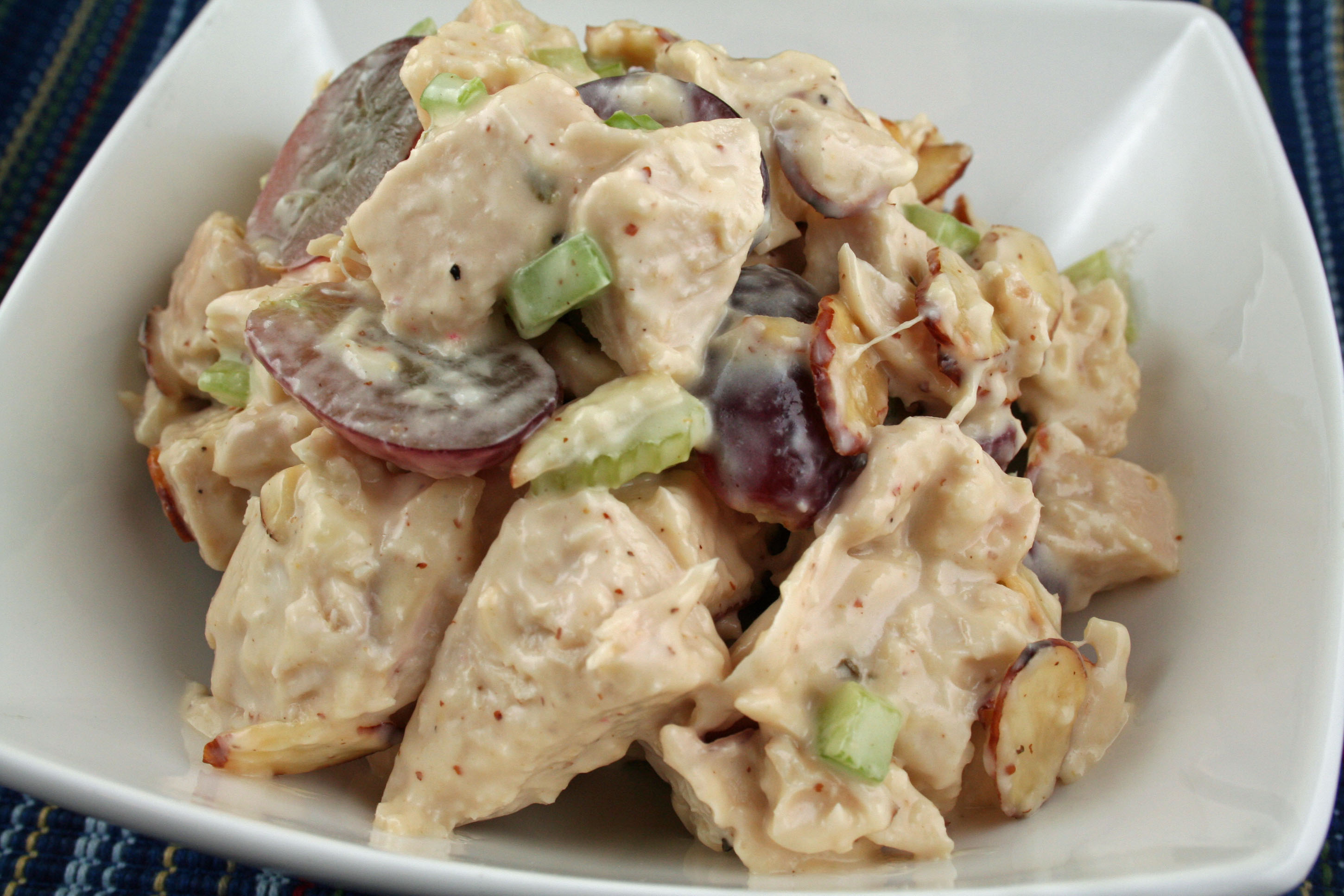
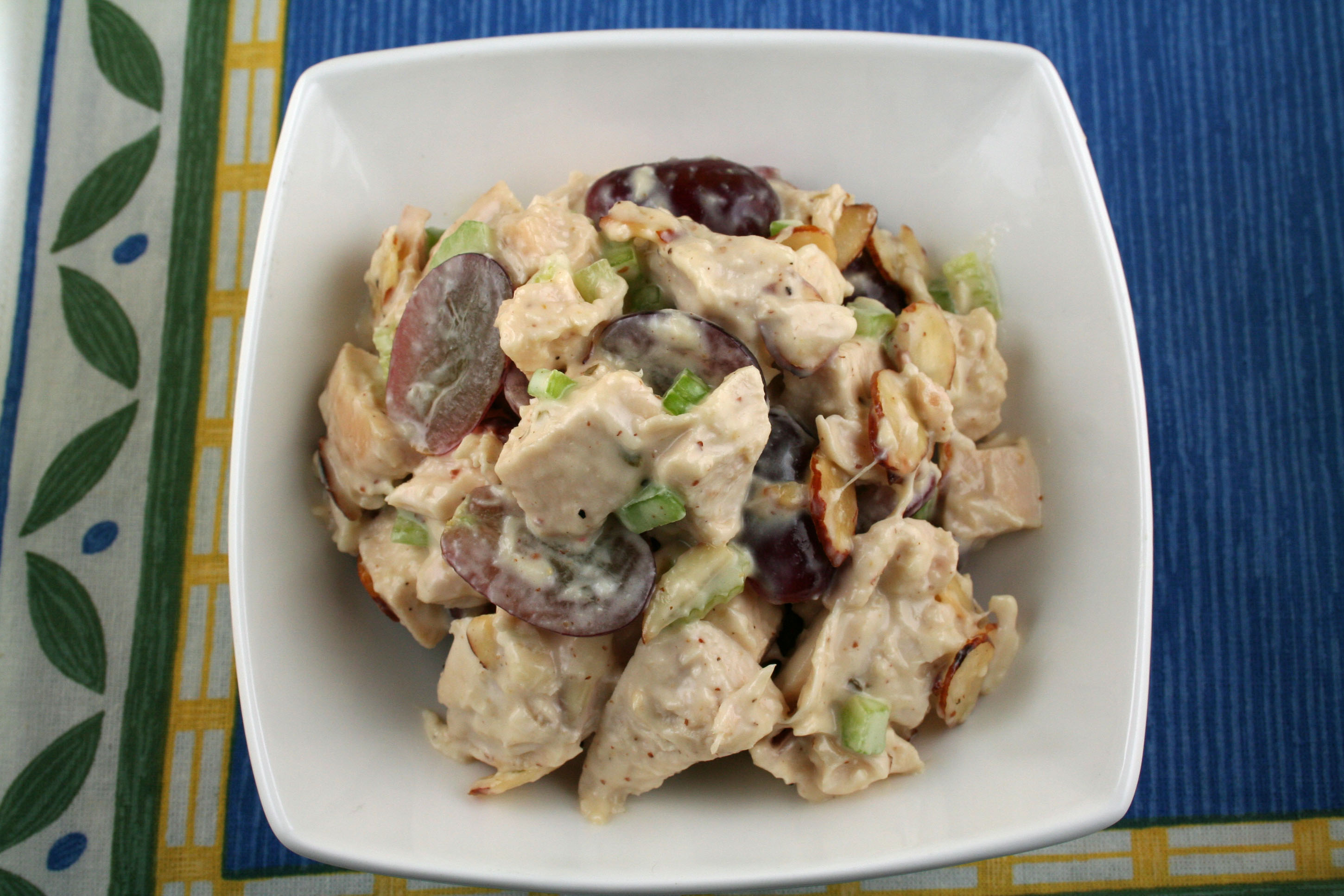
As one of those American picnic salad staples like egg salad, coleslaw, or macaroni salad, chicken salad is often considered a little boring with its mayo base. Though happily sandwiched between lettuce and two slices if bread, a good chicken salad can easily stand on its own. This recipe comes from what I consider a good base recipe in “The Art of Good Cooking.” It benefits from small additions and changes to make it homier, interesting, and less institutional.
As recommended in the original recipe, I made the mayo base from scratch which gives it a much richer flavor. Red grapes provide the sweet contrast between each bite and the sliced almonds fulfill the craving for a nutty crunch. I also added celery and scallions for a crisp freshness. Simple and perfect for a spring picnic or on-the-go lunch, this is a mayo based chicken salad that doesn’t go out of style.

Note: If using store bought mayo, add about 1 teaspoon of lemon juice. The acidity helps balance the fat and richness of the mayo and chicken.

Ingredients:

8 chicken breast halves, skin on bone in
chicken stock
1 cup chopped celery
3/4 cup sliced almonds, toasted
1 cup seedless grapes, halved
1 teaspoon chopped fresh tarragon
2 scallions, chopped
2 tablespoons chopped parsley (optional)
1 cup diced boiled ham (optional)
salt and freshly ground pepper
1 cup homemade mayonnaise

Place chicken breasts in a low, wide saucepan. Add enough well seasoned stock just to cover the chicken. Bring to a boil. Lower heat and simmer breasts for just 8 minutes. Remove chicken from stock.

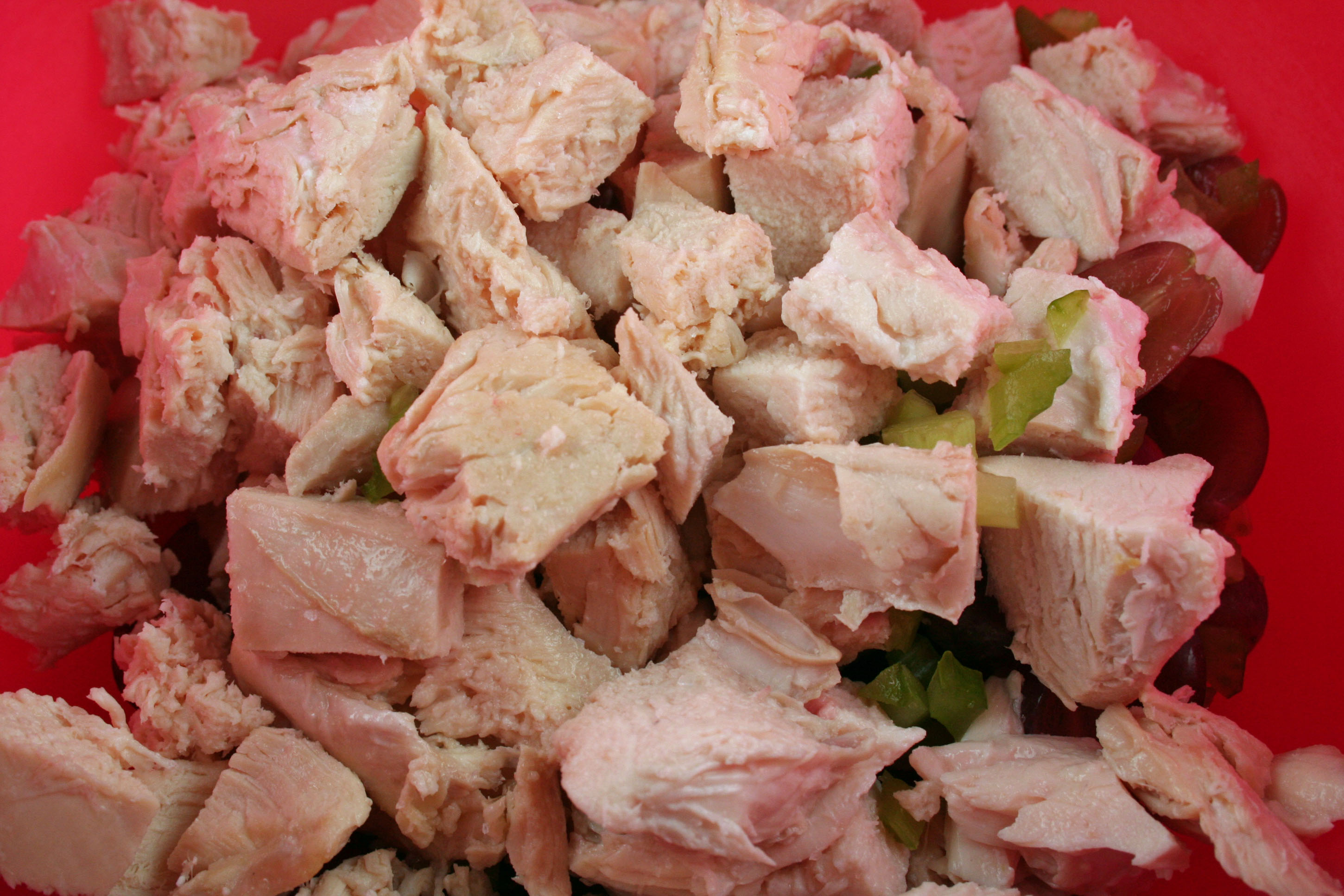
When chicken is cool enough to handle, pull off skin and pull the meat away from the bones. Cut the chicken into 3/4 inch chunks. Place them in a bowl.

Add ham (if using), celery, almonds, grapes, tarragon, scallions, parsley (if using), salt and pepper. Add mayonnaise and toss lightly. Taste and correct seasoning.

Serves 8

Adapted from “The Art of Good Cooking”

Green Beans Catalan

I haven’t been overly impressed with the vegetables section of “The Art of Good Cooking.” In my opinion, this is the most dated part of the book where it truly shows it’s age. Too much olive oil or butter, often unappetizing soft veggies, more frozen veggies than fresh, and what we would normally try to make clean and simple today, is loaded down with fatty ingredients like mayo or bacon fat. I completely understand why this section is the way it is. No one in the 1960’s was eating kale salads or “super greens.” Like most of her cooking, which was often influenced by friend and mentor, James Beard, my grandmother’s recipes were based on classic French techniques. This is not to say that this section can’t be modernized and updated like the others. It’s just a little more challenging.
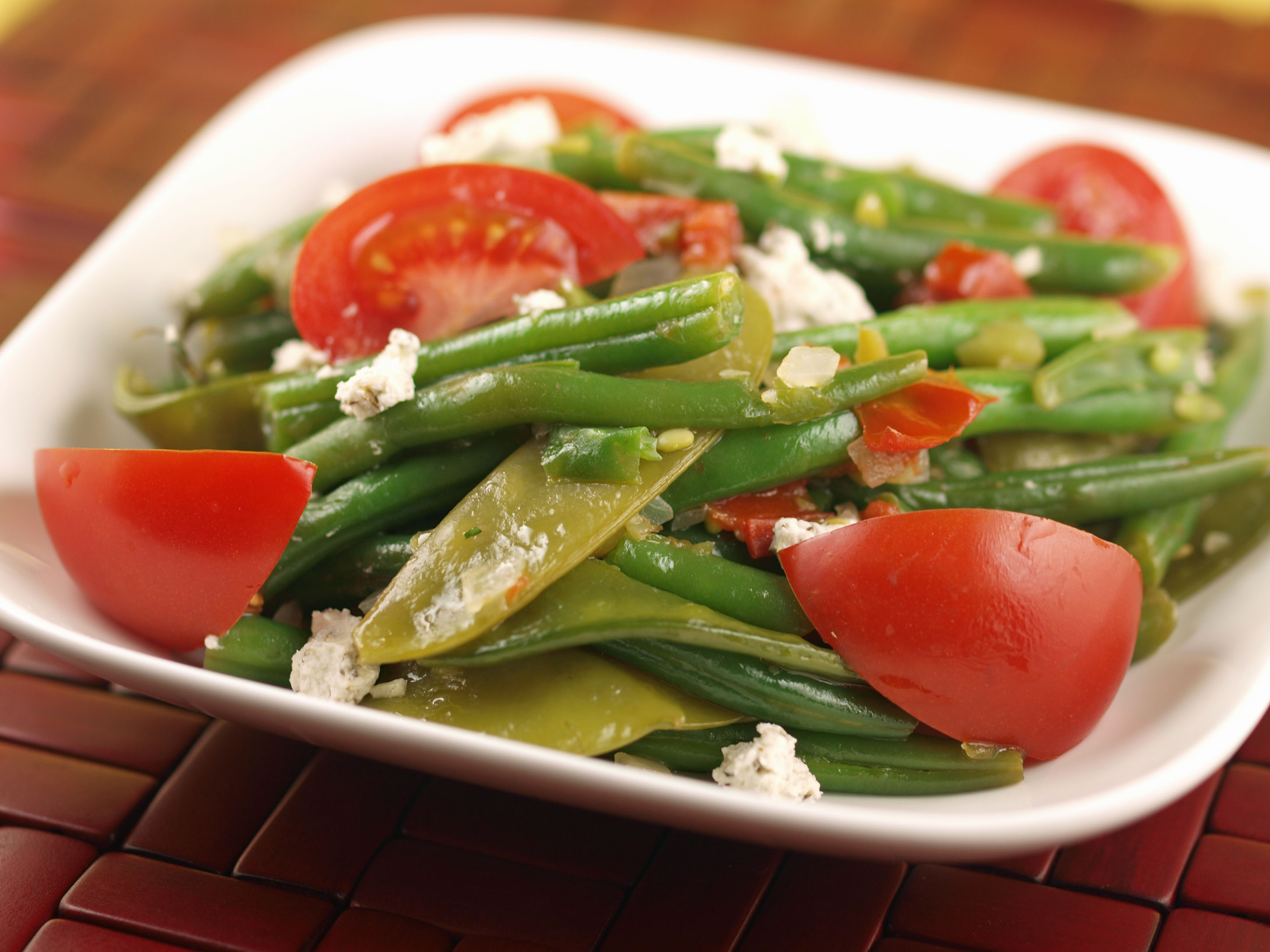
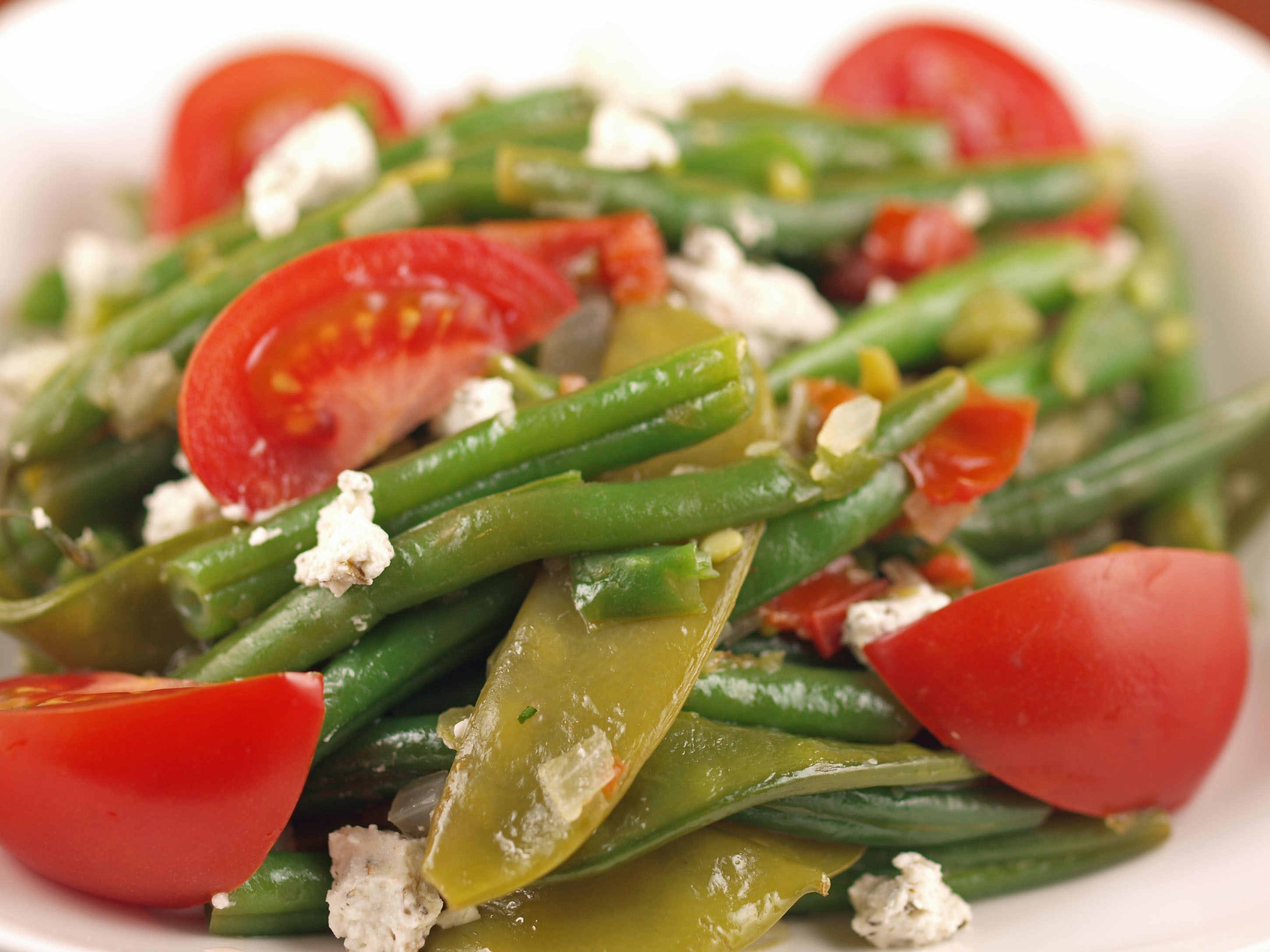
This is a very simple recipe from the vegetables section. Per my research on Catalan cuisine, my changes and additions may make it less authentic, as this seems to historically refer to the northeast region of Spain and it’s Mediterranean style cooking (such as the olives and capers I left out). However, it’s quick and the reduced olive oil (1/4 cup to 2 tablespoons) as well as the addition of goat cheese and tomatoes, makes it colorful and healthy.

Ingredients:

4 cups green beans, cut in 1″ pieces
2 tablespoons olive oil
1 onion, chopped
4 cloves garlic, minced
1 large tomato, peeled (optional) and chopped
1 small green pepper, minced
1/2 cup snap peas
1/4 cup white wine
salt and pepper
2 tablespoons chopped parsley
1/2 cup black olives (optional)
1 tablespoon capers (optional)
crumbled goat cheese
tomato, quartered

Place green beans in heavy saucepan. Add olive oil, onion, garlic, green pepper, snap peas, and wine. Season, cover tightly, and cook over medium heat until green beans are tender and very little liquid is left in the pan. Check seasoning and add parsley.

Serve with your choice of garnish: goat cheese, tomato quarters, olives, and/or capers.

Serves 6.

A few technical notes about this recipe:
Peeling the tomato before chopping is optional but if you don’t, you may end up with pieces of the skin throughout the dish (as you might see in some of these photos). I personally  don’t mind this but it can be avoided by quickly blanching the tomatoes in boiling water and peeling the skin off.
The snap peas may cook faster than the green beans. To avoid, add them after the green bean mixture has been cooking a few minutes on medium.

Avocado Soup

There’s usually no rhyme or reason for how I decide which of my grandmother’s hundreds of recipes to make. This creamy cool soup happened to sound particularly appealing on a recent day when the temperature climbed to almost 80 and my mind went into summer mode, no matter how hard I tried to reason with it. Summer mode for me usually means consuming a ridiculous amount of ice cream (some of which I can blame on my regular full time job) and pulling out my ice cream maker to tackle some absurdly unhealthy recipe that usually includes chocolate and a combo of too many things that taste good with it. Since it is still too early for summer mode, I managed to convince myself to make something healthier yet equally rich and satisfying. This cold soup does the trick.

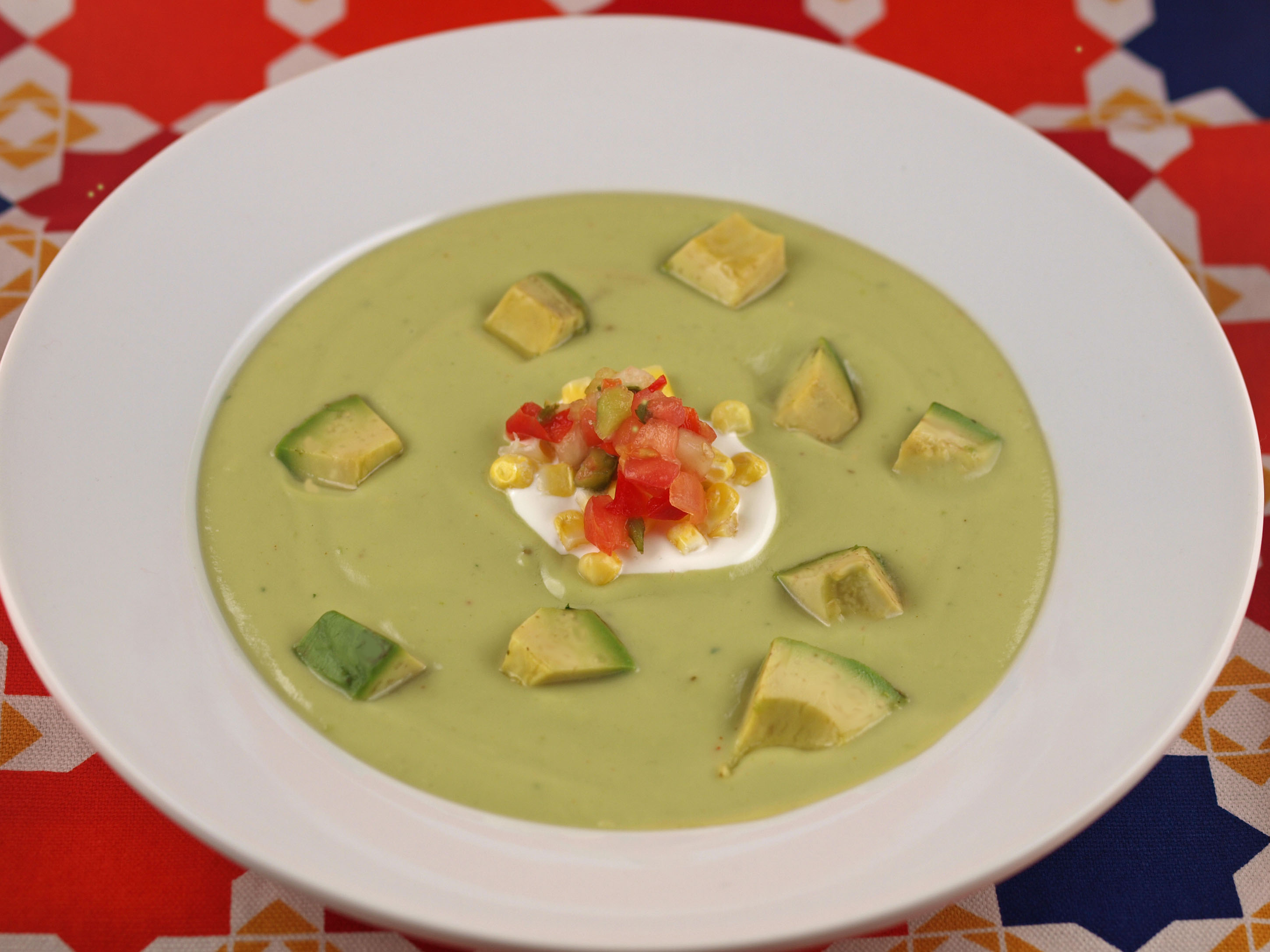
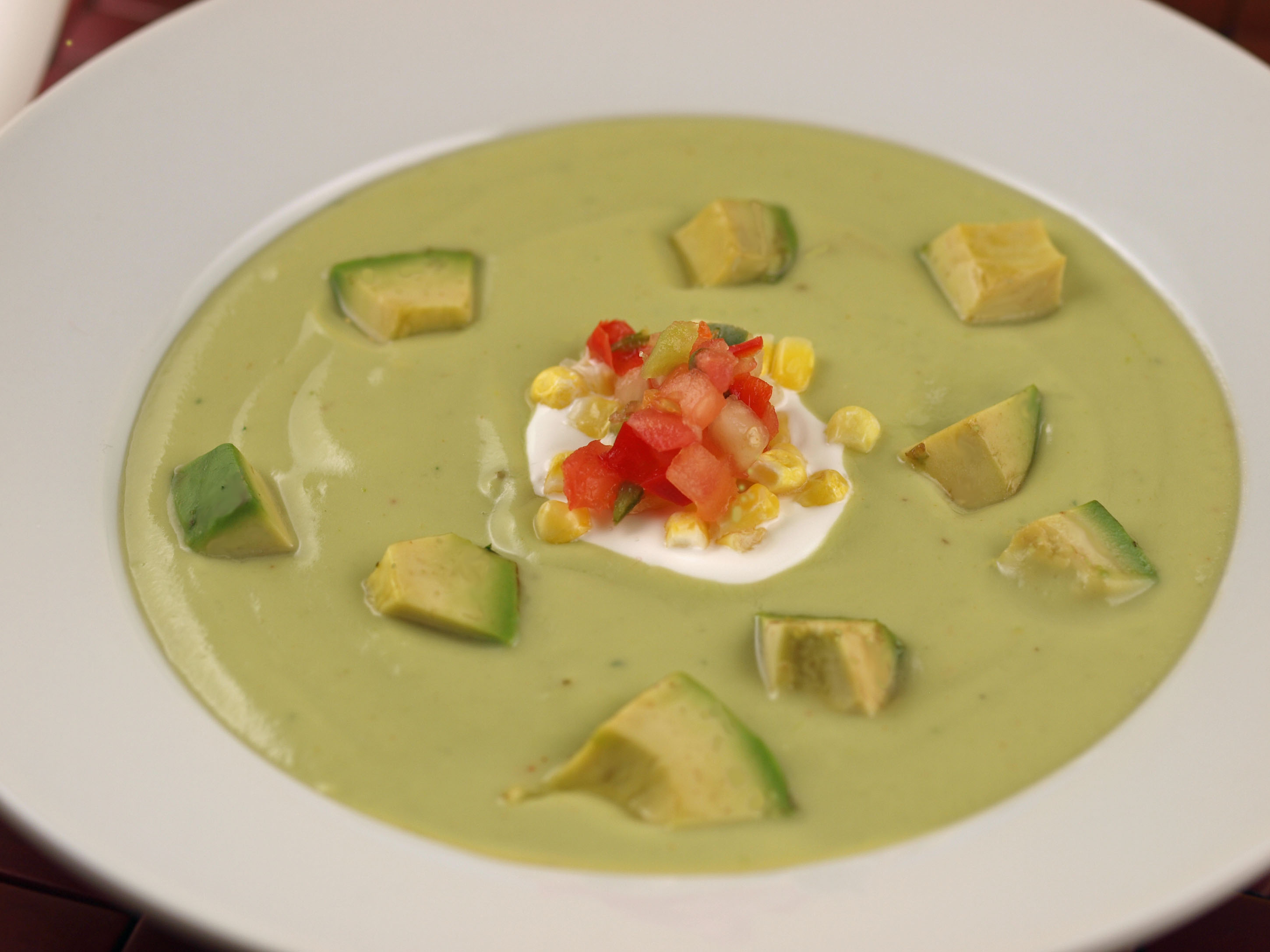
The base of this recipe comes from the stack of unpublished Paula Peck recipes I inherited and cherish. These faded typewriter written recipes with handwritten edits, are always the most fun for me to test because the recipes are rough and yet to be finalized. Some, like this avocado soup recipe, have a couple of different versions with varying measurements and instructions. One of these came with a note that said “This is a truly delicious summer soup. My friend Togi told me about it after she tasted it in Mexico.” I find it pretty impressive (and progressive) that my grandmother was making cold avocado soup in the late 1960’s when avocados were still considered somewhat exotic – and not found at every deli or sidewalk produce vendor in NYC like they are today. It’s a very simple recipe and I made only a few minor adjustments like adding scallion, cumin, lemon juice, cayenne, and the garnish of sour cream, corn, and salsa or chopped tomato.

Ingredients:

4 tablespoons butter
4 tablespoons flour
5 cups chicken or vegetable stock or broth
4 1/2 – 5 cups diced ripe avocado
1-1 1/2 cups half and half
2 scallions, chopped
1/2 teaspoon cumin
pinch cayenne
optional garnish: sour cream, cooked corn kernels, and/or pico de gallo salsa

In a heavy pot, melt butter. Stir in flour with a wooden spoon. Cook, constantly stirring, for about 5 minutes (do not brown). Stir in stock. Bring to a boil and then lower to a simmer. Cook just until mixture begins to thicken. Remove from heat and cool.

Place 3 1/2 – 4 cups avocado and scallion in a blender. Add about 1 cup of the stock mixture. Blend until smooth. Add avocado mixture to remaining stock mixture. Stir well. Season with salt and pepper. Add half and half. Chill.

To serve: pour into bowls and garnish with remaining avocado cubes, sour cream, corn, and salsa (if using).

Serves 4-6.